Evergreen guide
Tax deed vs tax lien: how Florida actually works
Investors often use “tax lien” and “tax deed” as if they were interchangeable. In Florida they are different products on a timeline. A tax certificate is a lien interest. A tax deed is a later auction that can convey the property. Mixing them up is how people bid the wrong sale.
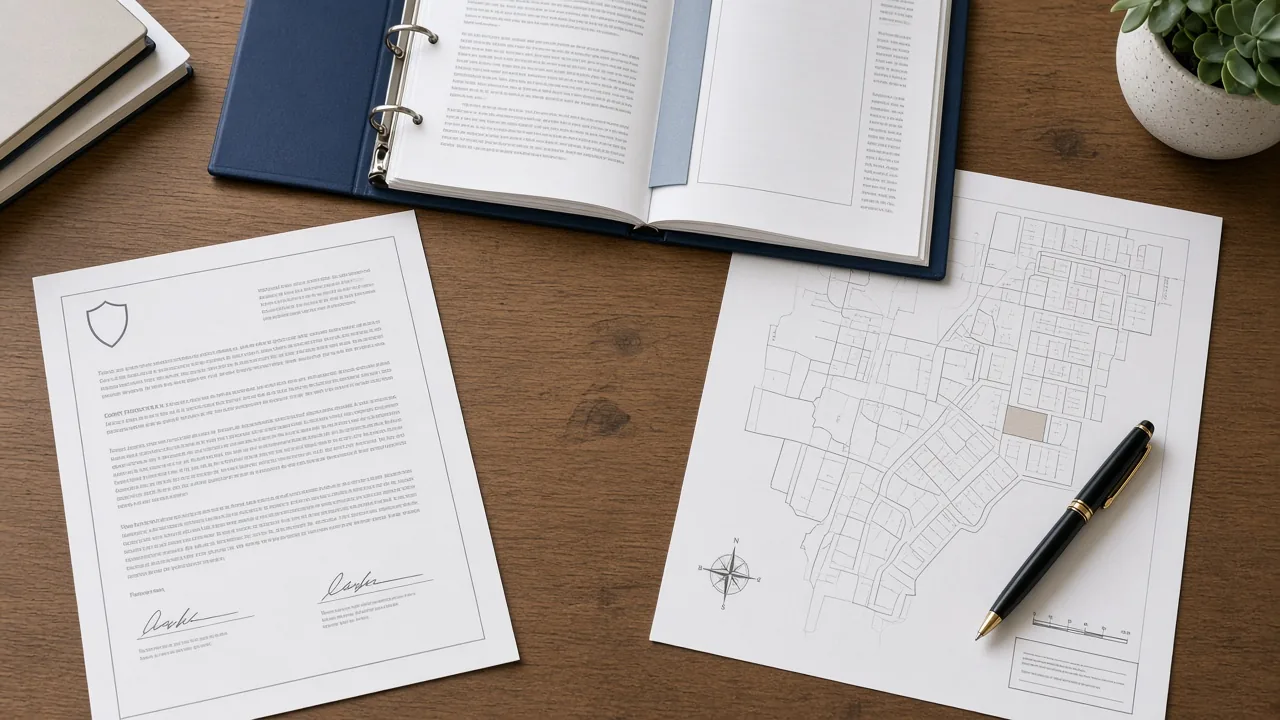
Quick comparison
- Tax certificate (often called a tax lien): sold at the annual tax certificate sale under Florida Statutes chapter 197. The buyer funds delinquent taxes and holds a lien that earns interest until redemption or a later deed application.1
- Tax deed sale: a separate public auction run by the clerk after a qualifying certificateholder applies. The high bid, if paid on time, leads to a tax deed.2
- What you buy: certificate = claim for taxes plus interest. Deed auction = a path to ownership of the parcel, subject to surviving interests and title realities.3
1. The Florida tax certificate first
When ad valorem taxes go unpaid, Florida counties sell tax certificates. Certificate buyers are not buying the house. They are advancing the tax and receiving a lien that the owner (or other party) can redeem by paying the taxes, interest, and costs. Redemption is allowed until a tax deed is issued, unless full payment for the deed has already been made to the clerk.4
If nobody redeems and enough time passes, the certificateholder may apply for a tax deed under Florida Statutes 197.502. That application starts the clerk’s notice and auction process. It is not automatic ownership.
2. The tax deed auction is a different event
At the tax deed sale, bidders compete on the parcel. Florida Statutes 197.542 sets deposit and payment clocks: a nonrefundable deposit of 5 percent of the bid or $200, whichever is greater, and full payment of the final bid plus documentary stamp tax and recording fees within 24 hours excluding weekends and legal holidays, unless the clerk’s posted rules are stricter.2
Homestead assessments can also change the opening bid math for the certificateholder. Confirm the clerk’s sale rules and the property appraiser’s homestead status before you treat a published opening bid as gospel.
3. What a tax deed does (and does not) wipe out
Florida Statutes 197.552 is the key “survival” statute. As a general rule, rights and interests do not survive the tax deed, but a lien of record held by a municipal or county governmental unit, special district, or community development district can survive if it is not satisfied when sale proceeds are disbursed.3
That is why deed research is not optional. Utility liens, code enforcement, CDD assessments, and possession issues show up in county portals and the clerk’s tax deed file, not in a marketing blurb about “buying for pennies on the dollar.”
4. How this maps to your research workflow
- Decide which product you are actually chasing: certificate interest or deed ownership.
- Pull the parcel on the property appraiser site and note homestead, land use, and acreage.
- Read the clerk tax deed file and published notice for opening bid, parties noticed, and sale platform.
- Search recorded mortgages, judgments, municipal liens, and CDD documents.
- Budget for deposit timing, documentary stamps, recording, and post-sale title work.
For a step by step parcel checklist, see the Florida tax deed due diligence checklist. For what happens to leftover auction money, see surplus funds after a Florida tax deed sale.
What the $149 Research Pack covers
The Research Pack is a PDF of cited public record information for one property: parcel and appraiser data, map context, recorded document and lien search findings we can source, and sale details. Anything we cannot establish from a source is marked NOT VERIFIED. It is research only, not a title search, appraisal, legal advice, or bid recommendation.
FAQ
Is a Florida tax certificate the same as buying the property?
No. A tax certificate is a lien interest sold at the annual certificate sale. You are owed the taxes plus interest if the certificate is redeemed. Ownership does not transfer until a later tax deed process is completed.
When can a Florida certificateholder apply for a tax deed?
Under Florida Statutes 197.502, the holder of a tax certificate that is two years old or older may file an application for a tax deed. Timing and fees are set by statute and the county clerk.1
Do other states run tax deed and tax lien systems the same way?
No. Some states are lien states, some are deed states, and some use hybrid systems. This guide focuses on Florida chapter 197.
Does winning a Florida tax deed auction give clear title?
Not automatically. Florida Statutes 197.552 limits what survives the deed, but municipal and certain special district liens can survive, and many title insurers still require additional steps such as quiet title.3
Where should I start research before a Florida tax deed bid?
Start with the county clerk tax deed file, the property appraiser parcel page, and recorded liens. Use the due diligence checklist for a twelve step path.
Footnotes / sources
- Florida Statutes 197.502, Application for obtaining tax deed by holder of tax certificate (2025). Retrieved 5 Nov 2026. flsenate.gov/Laws/Statutes/2025/197.502
- Florida Statutes 197.542, Sale at public auction (2025). Retrieved 5 Nov 2026. flsenate.gov/Laws/Statutes/2025/197.542
- Florida Statutes 197.552, Tax deeds (2025). Retrieved 5 Nov 2026. flsenate.gov/Laws/Statutes/2025/197.552
- Florida Statutes 197.472, Redemption of tax certificates (2025). Retrieved 5 Nov 2026. flsenate.gov/Laws/Statutes/2025/197.472
INFORMATION AND RESEARCH PRODUCT ONLY. This guide summarizes public sources. It is not legal, title, tax, appraisal or investment advice, and no outcome is guaranteed. Statutes change; check the current text and the county clerk’s rules before bidding.